SHAMAN
SHAMANISM
The Ancient Art Of Connecting
With Energy
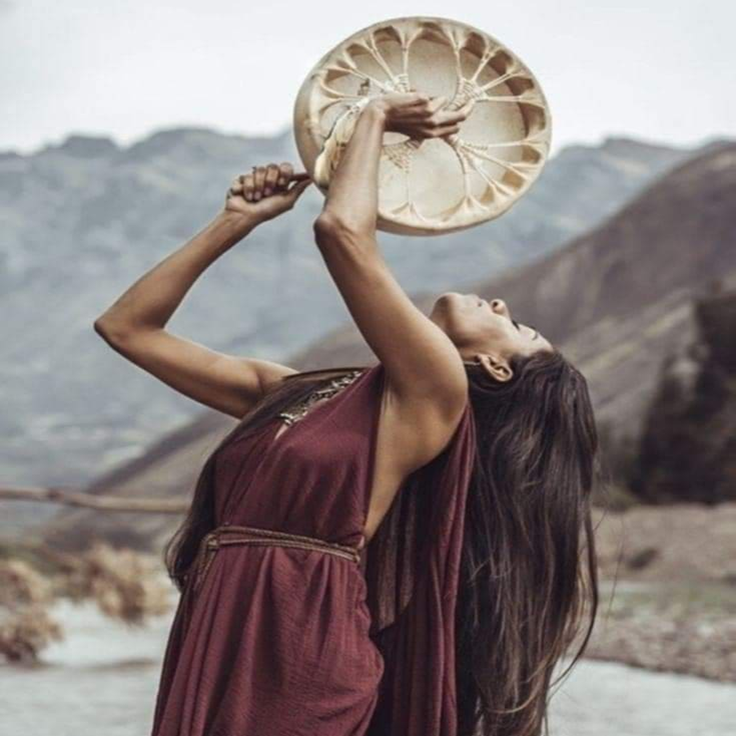
Shamanism reaches so deeply into human history that its roots appear to stretch back to a time before the written word.
It is considered one of humanity’s oldest spiritual traditions associated with healing and connection to the unseen world. Rather than belonging to a single culture or continent, shamanic practices have emerged in different forms among many Indigenous and traditional cultures around the world — almost like an ancient thread woven through our shared human story.
From the vast steppes of Siberia and Mongolia to Indigenous traditions across the Americas and the mountains of the Andes, many cultures have developed spiritual practices centered on healing, ritual, altered states of consciousness, and connection with the unseen world.
Ancient Greece also had its own rich spiritual and healing traditions. Oracles, mystery traditions, dream incubation, sacred healing rituals, and experiences of divine inspiration all formed part of the ancient Greek religious landscape. Some modern scholars and writers have drawn comparisons between certain aspects of these practices and shamanic traditions.
However, ancient Greek practitioners were not historically known as “shamans,” and Greek spiritual traditions should not be presented as simply another form of Siberian or Indigenous shamanism. They developed within their own distinct cultural, religious, and philosophical context.
What connects these traditions is not a single origin, but a recurring human impulse: the desire to move beyond the ordinary, seek guidance from the sacred, explore the mysteries of existence, and create a bridge between the visible and the unseen.
The word *shaman* has a specific cultural and linguistic origin. It entered Western languages through the Tungusic-speaking peoples of Siberia, and it is important to remember that the many spiritual traditions now described as “shamanic” are not a single universal tradition. Each belongs to its own people, history, worldview, and sacred practices, and deserves to be understood on its own terms.
The word is sometimes poetically interpreted as “one who knows” — not simply through intellectual knowledge, but through direct experience and inner understanding. This interpretation, however, should not be taken as a literal or universally accepted translation of the original Tungusic term.
Within traditions commonly described as shamanic, certain practitioners are understood to engage with realities beyond ordinary perception. Depending on the culture, this may include relationships with ancestors, spirits of nature, or other spiritual beings and forces, often in the context of ritual, guidance, restoring balance, or healing.
While these traditions may share certain themes, their beliefs, rituals, and meanings can differ profoundly. Rather than treating shamanism as one single spiritual system, it is more respectful to see it as a modern umbrella term used for a diverse range of culturally distinct traditions and practices.
At their heart, many of these traditions speak to a deeply human desire to listen beyond the visible, connect with the sacred, and seek meaning, guidance, and a sense of belonging within the wider web of life.
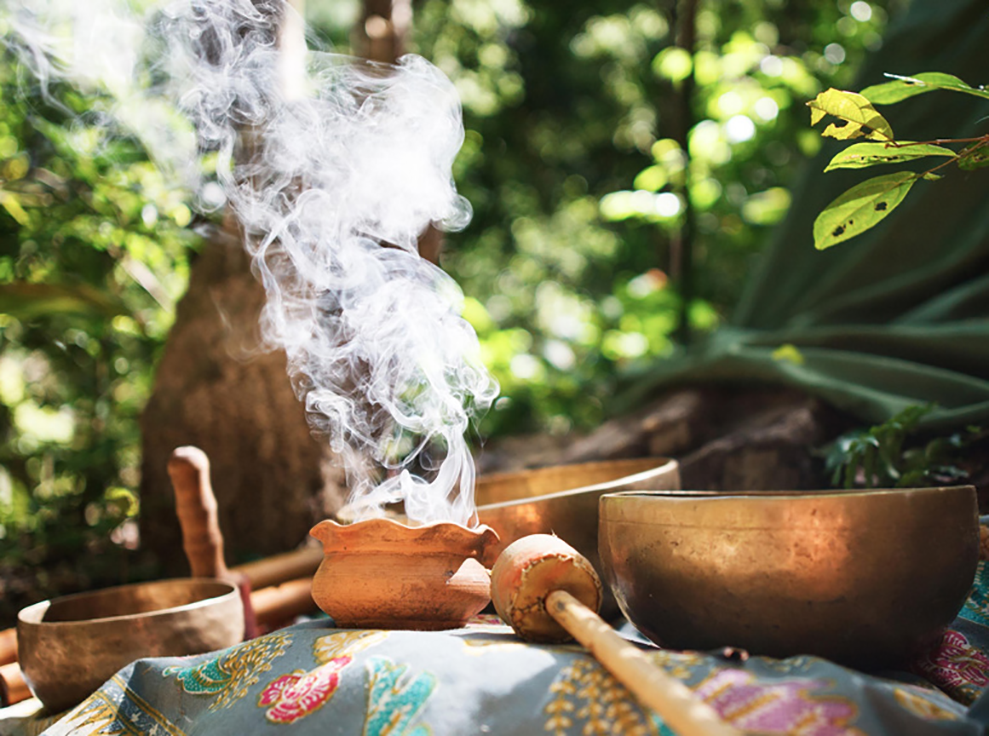
In many traditions now described as shamanic, spiritual practitioners served important roles within their communities — as healers, guides, ritual specialists, and, in some cultures, protectors of the community’s spiritual well-being.
Rhythm, sound, movement, chanting, breath, and instruments such as the drum have been used in various traditions as part of rituals intended to shift awareness and enter altered states of consciousness.
Some shamanic cosmologies describe journeys into different spiritual realms, sometimes understood as an “Upper World” and a “Lower World.” These realms and their meanings vary greatly between traditions and should not be understood as a single universal system.
Within certain contemporary shamanic practices, such journeys may be understood symbolically or spiritually as ways of exploring the deeper landscape of the self. Practices such as “soul retrieval,” energetic cleansing, encounters with spiritual beings, or receiving messages and guidance belong to particular shamanic and neo-shamanic frameworks.
For those who practise within these traditions, the journey is an invitation to move beyond ordinary perception — to listen more deeply, explore what may be hidden within, and return with insight, meaning, or a renewed sense of connection.
Shamanism was not a single religion or unified belief system. Rather, the traditions we now describe as shamanic emerged within distinct cultures, each with its own understanding of the sacred and its own relationship with the natural world.
In many of these traditions, nature is experienced not simply as a landscape, but as something alive and deeply interconnected. Trees, animals, rivers, mountains, wind, and fire may be understood as possessing spirit, presence, or sacred significance.
From this perspective, the Earth becomes more than the place we live upon — it becomes a living web of relationships to which we belong.
The natural world is approached with reverence: something to listen to, learn from, care for, and live alongside with respect.
It is an invitation to remember that we are not separate from nature, but part of it — connected to a world in which every form of life can carry presence, meaning, and its own unique voice.
And while many ancient traditions have changed, faded, or been lost over time, practices described as shamanic have never entirely disappeared. In some cultures, they remain part of living spiritual traditions; elsewhere, elements inspired by shamanic worldviews have found new expression through contemporary spiritual practices.
Like an ancient thread of memory woven through time, these traditions continue to speak to something many people are searching for today: a deeper sense of connection.
Connection with the natural world.
Connection with our roots.
Connection with our inner landscape.
And, for those who understand it in spiritual terms, connection with the soul.
For some, contemporary shamanic practice offers a space to slow down, explore what they carry within, reconnect with nature, and approach life with a renewed sense of meaning and belonging.
Perhaps this is why these ancient ways continue to resonate — not as a return to the past, but as an invitation to rediscover a more conscious relationship with ourselves, with nature, and with the world around us.
Anna's Approach
Anna Sideri has been dedicated to the study and daily practice of shamanism since 2018, bringing together her knowledge, hands-on experience, and intuitive guidance.
Her sessions draw on a range of shamanic-inspired practices, thoughtfully adapted to create a personal, grounded, and supportive experience. These may include:
• The rhythm of the drum, used as a meditative tool to support focus, deepen awareness, and create a sense of connection with the energetic experience.
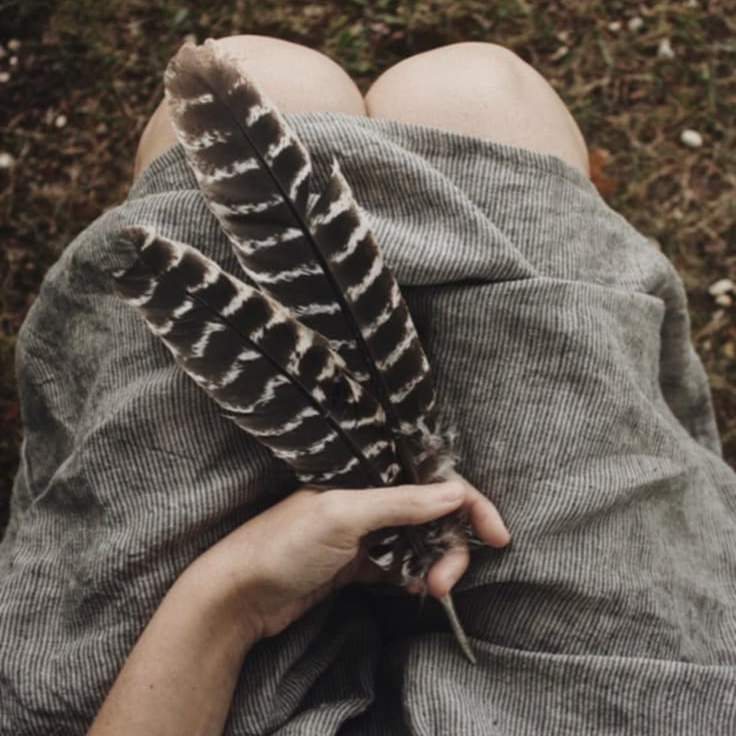
• The aroma of sage and the symbolic presence of fire, incorporated into ritual practices associated with cleansing, renewal, and intention.
• Intuitive spiritual guidance, which Anna understands through her personal spiritual framework as a connection with shamanic wisdom carried from past lives. Within her practice, she draws on this intuitive connection to shape each session around the individual and what they wish to explore.
Anna’s core practices include :
1️⃣ Toxic Relationships
Exploring the emotional patterns and dynamics connected to relationships or situations that feel limiting, draining, or unhealthy, with the intention of gaining greater clarity, strengthening personal boundaries, and creating space for healthier choices and relationships.
2️⃣ Karmic Release
A reflective practice for exploring recurring patterns, emotions, or challenges through the spiritual concept of past lives. The focus is on gaining insight into what may be influencing your present experience and creating space for greater awareness, clarity, and personal change.
3️⃣ Reclaiming Inner Strength
A supportive practice focused on helping you feel more grounded in yourself, recognize your needs more clearly, communicate your boundaries with greater confidence, and make choices that better reflect your values and well-being.
With warmth and respect, Anna guides each person through a combination of conversation, grounding practices, guided visualization, breath awareness, drumming, and shamanic-inspired ritual.
Through these practices, she supports clients in exploring recurring emotional and relationship patterns, identifying what feels draining or limiting, strengthening personal boundaries, and reconnecting with their own values, intuition, and inner resources.
Each session is adapted to the individual, offering space to reflect on what is happening in their life and explore their connection with themselves, nature, and spirituality in a personal and meaningful way.
How Long Is a Shamanic Session and What's the Cost?
Your first shamanic-inspired session lasts approximately one hour and costs €80, including VAT.
This time is dedicated to you — offering a supportive space to explore what feels important in your life and experience the practices at a pace that feels comfortable and personal to you.
You are welcome to choose the setting that feels most comfortable for you. Sessions are available both in person and online, so you can connect from wherever you feel most at ease.
Payment can be made in person, by bank transfer, or via Revolut. For online sessions, payment is kindly requested at least 24 hours before your appointment.
If you feel ready to begin, you are warmly invited to take that first step at your own pace.